Introduction
In an age where sustainability is becoming increasingly vital, the idea of eco-friendly paint has become a preferred choice for home owners looking to revamp their rooms. Not just does this approach significantly lessen ecological effect, however it also enhances the wellness and health of those living in these spaces. This post will assist you via numerous facets of environment-friendly paint, giving useful tips and services for a sustainable makeover. So, let's dive into the vibrant world of green paints!
Eco-Friendly Painting: Tips for a Sustainable Makeover
What is Eco-Friendly Painting?
Eco-friendly painting describes making use of low-VOC (volatile organic substances) or zero-VOC paints that lessen unsafe emissions during and after application. These paints are usually made from natural products like plant oils, minerals, and various other non-toxic compounds, making them more secure for both the atmosphere and human health.
The Relevance of Eco-Friendly Paints
Why should you think about environment-friendly paints? They are not just trendy; they supply various benefits, consisting of:
- Reduced wellness risks related to harmful fumes Improved indoor air quality Sustainable sourcing of materials Lower environmental impact Better lasting durability
Choosing the Right Eco-Friendly Paint
When selecting an eco-friendly paint, it's vital to look past simply labels. Below's what to take into consideration:
Understanding Paint Labels
Paint tags can be misleading. Search for qualifications such as Eco-friendly Seal or EcoLogo, which show that the item meets strict environmental standards.
Types of Green Paints
Natural Paints: Made from all-natural active ingredients like clay, chalk, and plant oils. Low-VOC Paints: Contains fewer unstable natural substances contrasted to traditional paints. Milk Paint: An old formula made from milk protein (casein), lime, and all-natural pigments.Preparing Your Area for an Environmentally Friendly Makeover
Preparation is key in any painting task. Right here's how to prepare your area sustainably:
Declutter Before You Begin
Before also thinking of opening a canister of paint, declutter your room. Donate unwanted things or reuse them whenever possible.
Use Eco-Friendly Decline Cloths
Instead of plastic drop cloths that may wind up https://www.blackrhinopaintingservice.com/contact-us/ in landfills, choose multiple-use cotton or canvas decline cloths.
Tools and Supplies for Environment-friendly Painting
Using the right devices can make all the difference in your painting experience.
Opt for All-natural Brushes and Rollers
Choose brushes made from all-natural bristles rather than artificial ones. For rollers, search for covers made from recycled materials.
Water-Based Cleaners
When cleansing your devices post-painting, make use of water-based cleaners that are much less harmful than solvent-based options.
Painting Strategies That Reduce Waste
Minimizing waste isn't almost what you throw out; it likewise encompasses exactly how you apply your paint effectively.
Efficient Application Methods
Use techniques like "reducing in" before rolling to avoid excess paint drips and spills.
Leftover Paint Solutions
What do you do with leftover paint? Think about donating it to regional institutions or community centers instead of throwing it out.
Creating an Indoor Air High Quality Enhancement Plan Post-Painting
After paint is full, it's time to boost interior air top quality even more:
Ventilation Strategies
Open doors and windows while permitting fresh air circulation throughout your home post-painting.
Air Purifying Plants
Consider integrating air-purifying plants like crawler plants or tranquility lilies that assist strain toxins.
Long-Term Care for Your Eco-Friendly Painted Surfaces
Once you've painted your space sustainably, preserving its stability is vital:
Regular Cleaning up Tips
Use gentle cleansers that will not harm the surface or launch unsafe chemicals back right into your home environment.
Touch-Up Procedures
Keep leftover paint convenient for touch-ups without needing a full re-coat every couple of years.

Why DIY Is Better for Sustainability?
Many individuals wonder if do it yourself jobs truly contribute to sustainability initiatives:
Cost-Effectiveness of DIY Painting
Taking on a painting task on your own can conserve money while making certain thoughtful decisions straighten with sustainable practices.
Skill Development
Working on your home not only allows you to discover important abilities however also develops individual contentment in knowing you added to its appeal sustainably.
Collaborating with Specialists That Focus On Sustainability
If doing it yourself isn't feasible, think about hiring specialists who focus on eco-friendly practices:
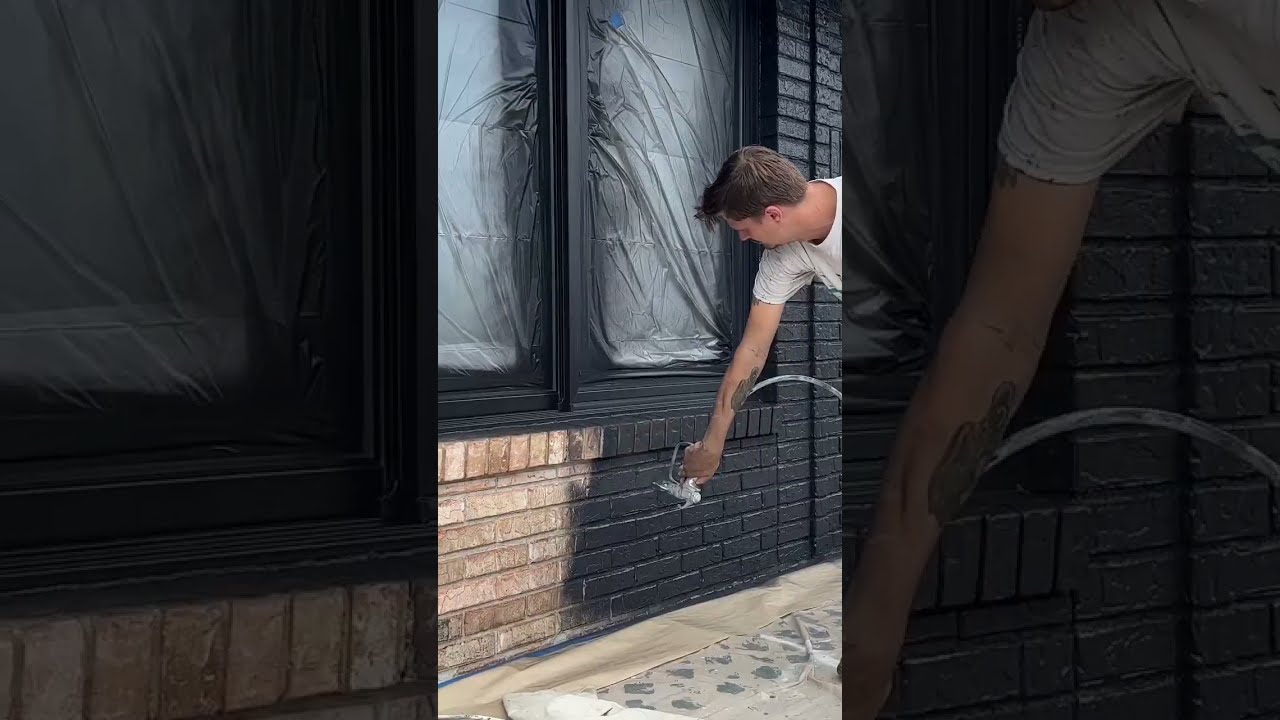
Researching Sustainable Contractors
Look at testimonials or ask questions regarding their dedication to using non-toxic materials and lasting methods prior to working with anyone.
Common Misconceptions Regarding Eco-Friendly Painting Debunked
There are many myths regarding green paints that need addressing:
Myth: Environmentally friendly paints don't perform as well.- Reality: Several environment-friendly alternatives now supply exceptional protection and longevity equivalent to standard paints.
- Reality: While some choices might cost more ahead of time, they frequently save money long-term due to sturdiness and decreased wellness prices related to toxic exposure.
- Reality: Today's market uses an extensive series of colors even within eco-friendly lines!
Frequently Asked Inquiries (FAQs)
1. What are VOCs?
VOCs are unstable natural compounds found in several traditional paints that can add to bad indoor air quality and health issue when inhaled over time.
2. Just how do I recognize if my paint is environment-friendly?
Look for qualifications such as Environment-friendly Seal or Low-VOC labels on the paint container indicating conformity with ecological standards.
3. Can I mix different sorts of green paints?
While it's generally risk-free to blend similar kinds (e.g., two low-VOC latex paints), always speak with manufacturer standards initially prior to attempting any kind of mixtures!
4. Exist affordable alternatives for environment-friendly paints?
Yes! Lots of brand names currently provide economical choices without giving up quality; constantly compare rates in between brand names before purchasing!
5. How much time does it take for environmentally friendly paint odors to dissipate?
Usually within a few days after application however boosting air flow will quicken this procedure greatly!
6. Is there a difference in between interior and exterior environment-friendly paints?
Absolutely! Exterior paints should stand up to harsher elements which means they might have various solutions compared to interior varieties-- always choose as necessary based on use needs!
Conclusion
Eco-friendly paint represents not simply a fad however a motion towards much healthier living environments while being kind in the direction of our earth-- a win-win situation! By making mindful decisions concerning materials used during your following transformation job-- from selecting low-VOC items down through proper prep work strategies-- you'll be adding positively towards sustainability objectives while producing stunning rooms suited perfectly just for YOU! So why wait? It's time most of us rolled up our sleeves with each other-- let's get going on this vibrant trip towards greener living!